
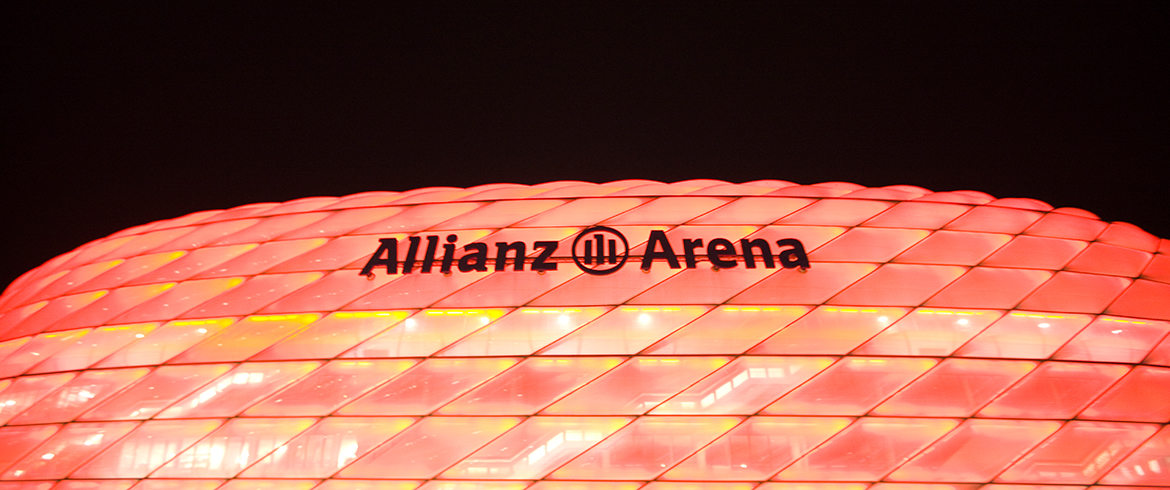
Allianz Arena is a modern football stadium in Munich known for its special illuminated exterior and unusual architectural design. The stadium was opened in 2005 and became an important sports building in Germany. It was created for major football events and is recognized for its unique shape, technology and connection with Munich football culture.
Allianz Arena History and Development
The history of Allianz Arena started when Munich needed a new stadium for international football events. The project was approved as one of the locations for the 2006 FIFA World Cup in Germany, and the stadium hosted the opening match of the tournament on 9 June 2006.
Before Allianz Arena existed, Munich football clubs used the Olympic Stadium. The new stadium was created to provide a modern football environment with better facilities and more suitable conditions for spectators. Construction began in 2002, and the stadium was officially opened in 2005.
The stadium is located in the northern part of Munich near Fröttmaning. It became the home ground for two Munich football teams after opening. The building quickly became one of the most recognizable structures in the city because of its exterior appearance.
The stadium name comes from its sponsor. The company supported the construction project, and the name Allianz Arena became connected with the building. The total construction costs were around several hundred million euros, while additional investments improved transport connections and infrastructure around the stadium.
Design and Construction Features
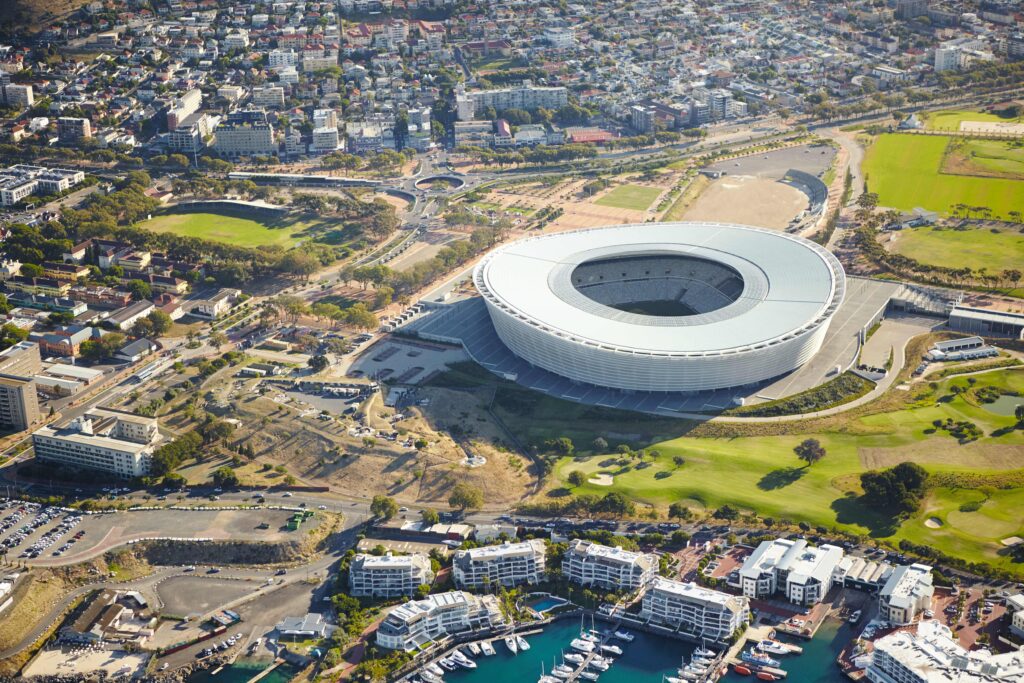
The architecture of Allianz Arena was created by the Swiss architectural office Herzog & de Meuron. The designers developed a structure with a light appearance that was influenced by the famous Olympic Stadium in Munich.
The most unusual part of the stadium is the outer shell. It consists of thousands of air filled panels made from ETFE material. These transparent cushions cover the entire building and can change colour through special lighting technology.
Important design facts about Allianz Arena
- The exterior contains more than 2,700 individual air panels.
- The stadium has a circumference of about 800 metres and a large oval shape.
- The outer skin can show different colours depending on events.
- The roof structure protects spectators from rain while allowing sunlight to reach the grass.
The illuminated surface became the main symbol of the stadium. From a distance, the building can look like a large floating object because of its smooth shape and changing colours. The design avoids traditional corners and creates a soft visual impression.
The stadium also includes a large parking area and a landscaped approach area called the Esplanade. Visitors walk through this space before entering the stadium. The combination of architecture, transport and open areas creates a special experience around the building.
Allianz Arena Capacity and Modern Stadium Features
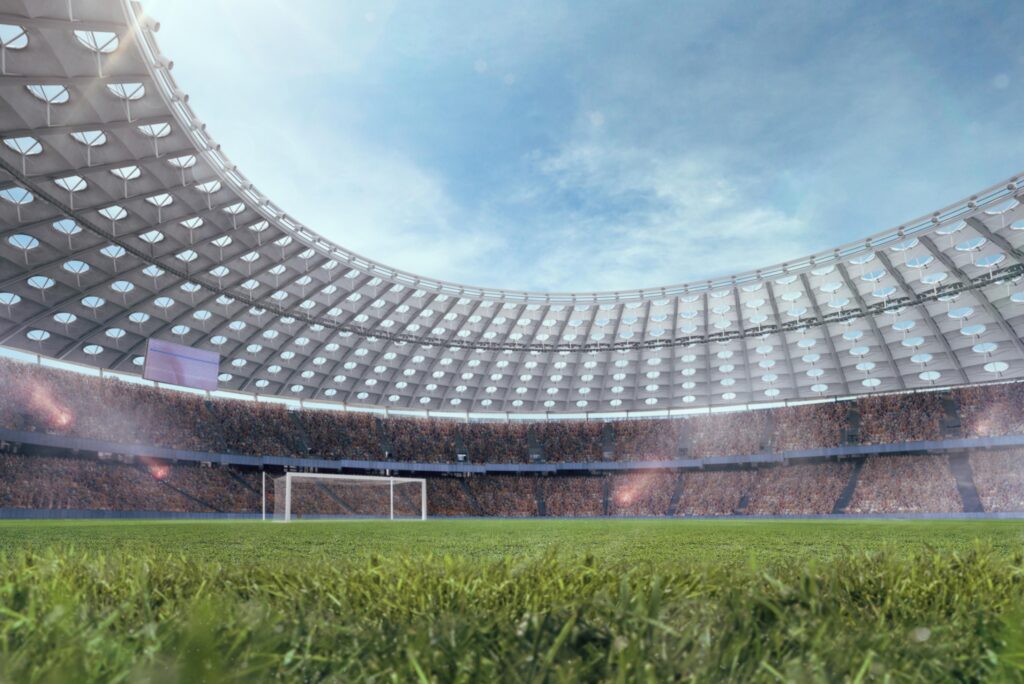
Allianz Arena was designed as a football only stadium with modern facilities for spectators, players and media. The original capacity was around 66,000 seats, which was slightly larger than the previous Olympic Stadium capacity. Later changes increased the number of available places.
The stadium includes different areas for visitors. There are regular seats, hospitality zones, media facilities and spaces for events. The design allows spectators to have a clear view of the playing field from different sections.
Technology and Role in Munich Football
The stadium uses the latest technology to support football matches and ensure comfortable conditions. The ETFE roof system shields the field from weather conditions and lets natural light through to the grass. Air movement around the playing area also helps keep the grass growing healthy.
Allianz Arena has become an important part of the sports identity of Munich. The stadium has been host to big football matches and has attracted international attention. It was a venue for games in the 2006 World Cup and since then has kept on hosting major tournaments and soccer games.